Key takeaways
- Freeze-dried appearance can vary with composition and processing.
- A photograph cannot measure identity, purity or net peptide amount.
- Unexpected appearance should trigger a specification check, not automatic reassurance or rejection.
For laboratory research education only. Not medical advice or instructions for human or animal use. RetaSet supplies research materials and publishes this guide; catalog links lead to our own products.
“Powder” describes a physical form
Lyophilization, or freeze-drying, removes water from frozen material under reduced pressure. The FDA’s technical inspection guide describes freezing, primary drying and secondary drying as separate stages. This is process background, not a BPC-157-specific manufacturing claim.
A listing that describes BPC-157 peptide powder should still state the supplied form and relevant specifications. Do not infer a particular drying method solely from a white appearance, and do not infer a complete manufacturing history from the word “lyophilized.”
The same distinction applies to sterility. The FDA guide discusses the need for controls and validation when freeze-drying sterile pharmaceutical products. A drying-process label alone is not documentation that a research vial is sterile or suitable for injection.
Why the visible amount may differ
GenScript’s peptide-synthesis FAQ explains that lyophilized peptide appearance can vary with sequence, retained composition and processing conditions. It also notes that material can be difficult to see or can adhere to the vial wall. Those are general observations about peptides, not a diagnosis of a particular BPC-157 vial.
A fluffy deposit occupies space differently from a compact one. The height of the material is therefore a poor substitute for a documented quantity measurement. Comparing your vial with a promotional photograph adds uncertainty from camera angle, lighting and container size.
That does not mean every unusual appearance is acceptable. It means the image alone cannot settle the question. The relevant comparison is with the supplier’s specification and lot record, including what appearance was expected for that material.
Keep the observation separate from the conclusion
When inspecting an incoming sample for a laboratory project, record what you can actually see before interpreting it. The table below is a practical documentation aid, not a replacement for the laboratory’s acceptance procedure.
| Observation or record | Reasonable conclusion | Conclusion it cannot support alone |
|---|---|---|
| Small or barely visible deposit | Little material is visible from this viewing angle. | The vial is underfilled or empty. |
| Compact or fragmented solid | The sample has this physical appearance on receipt. | The peptide has degraded—or has remained intact. |
| White material | A color description for the receiving record. | The material is BPC-157 or meets a purity specification. |
| Lot-matched analytical report | The stated tests concern the identified sample and methods. | Every possible quality attribute was tested. |
| Broken seal or label mismatch | There is a receiving discrepancy to investigate. | The discrepancy can be ignored because the powder looks normal. |
Visible bulk and peptide amount are different quantities
Bachem distinguishes peptide content from gross sample weight because dried peptide preparations can include counterions and residual water. An HPLC purity percentage is another measurement again; it does not automatically give the fraction of all material that is the desired peptide.
For a BPC-157 powder listing, the useful question is how the supplied amount is defined and supported. The answer should come from the specification and the relevant lot documentation. A large deposit is not evidence of a higher peptide amount, and a purity figure does not replace a quantity-basis statement.
Our separate peptide-purity guide explains these measurements. Here, the practical point is simpler: do not try to estimate a milligram amount from the volume of a dried cake in a photograph.
A receiving note that helps resolve the question
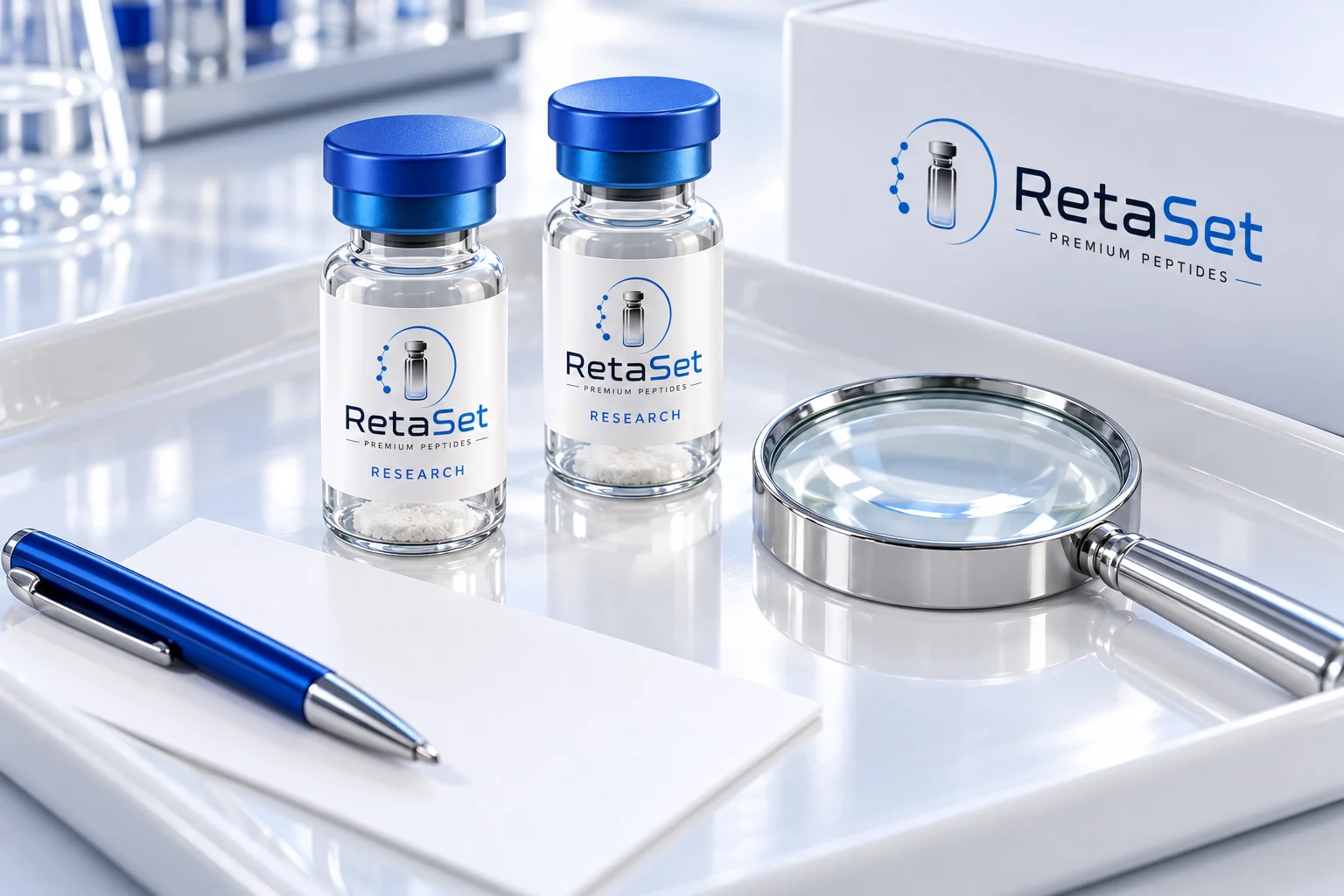
Imagine two hypothetical vials from a laboratory order. One has a compact deposit at the bottom; the other has material on the wall. Instead of writing “second vial is bad,” record the lot identifiers, receipt date, seal condition and visible difference, with photographs of the unopened containers.
Ask the supplier whether that appearance falls within the stated specification and which records support the amount and quality of the delivered lot. If a closure is damaged or the documents do not match, follow the laboratory’s hold-and-investigate procedure before accepting the sample.
A precise receiving note makes the discrepancy easier to investigate. “Please reconcile the visible difference with the lot specification” gives the supplier a concrete task; “it looks wrong” leaves the underlying question unclear.
Is liquid BPC-157 a better comparison?
Changing from a dry material to a solution introduces a formulation question. The solvent, stated concentration, other components and storage history become part of the description. A liquid presentation does not bypass the need to establish identity and amount.
GenScript’s handling guidance treats lyophilized material and peptide solutions separately and emphasizes that stability depends on the peptide and conditions. Do not transfer a dry-material storage statement to an unspecified liquid product, or assume that a clear solution demonstrates chemical integrity.
This guide is about interpreting laboratory materials. It does not provide mixing, injection or personal-use instructions. For a purchasing decision, start with your project’s required form and documented acceptance criteria rather than choosing whichever photograph looks more substantial.
Common questions
Should BPC-157 powder always look fluffy?
No universal appearance can establish quality. Lyophilized peptide appearance varies; compare the delivered material with its own specification and investigate unexplained differences.
Can a small deposit still contain the stated amount?
Visible volume is not a reliable mass measurement. A small deposit alone cannot confirm or disprove the amount; consult the quantity basis and supporting lot records.
Does lyophilized mean sterile?
No. A drying-process description alone does not document sterility. Research materials should not be treated as injectable medicines because they look like pharmaceutical vials.
Explore research materials
Explore the Research Peptide Catalog and the BPC-157 research listing for available specifications. Confirm the supplied form, quantity basis and lot documentation before accepting material for a laboratory project.
Product links support research procurement only. Availability and specifications can change. Contact RetaSet for missing product documentation. Read the shipping policy.